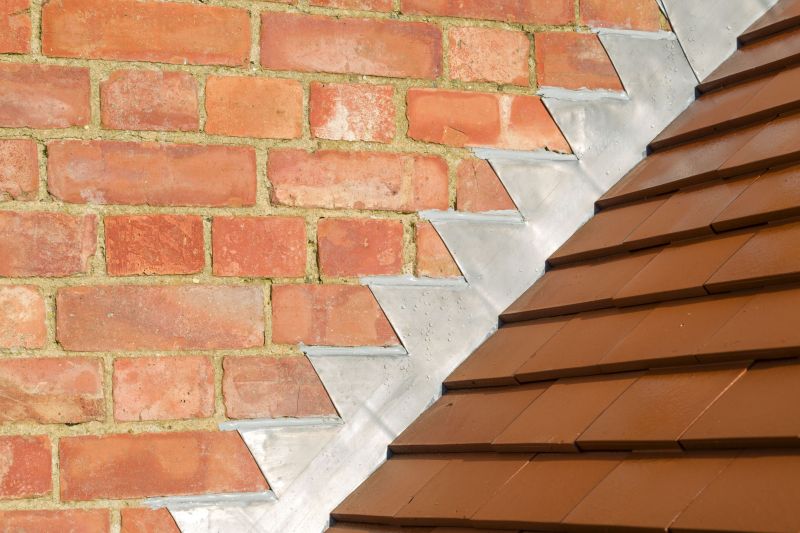
Proper Flashing Techniques
Ensuring that roof flashing is correctly installed helps prevent water leaks and protects the structure over time.
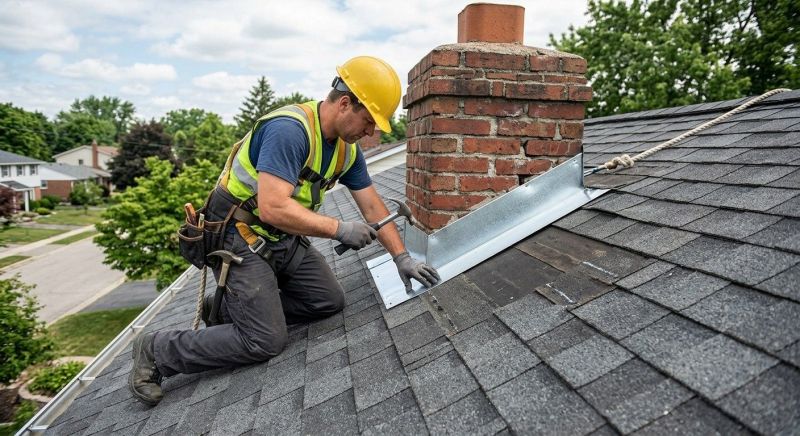
Material Selection Insights
Choosing the right flashing materials can enhance durability and resistance against weather elements common in hunterdon county homes.
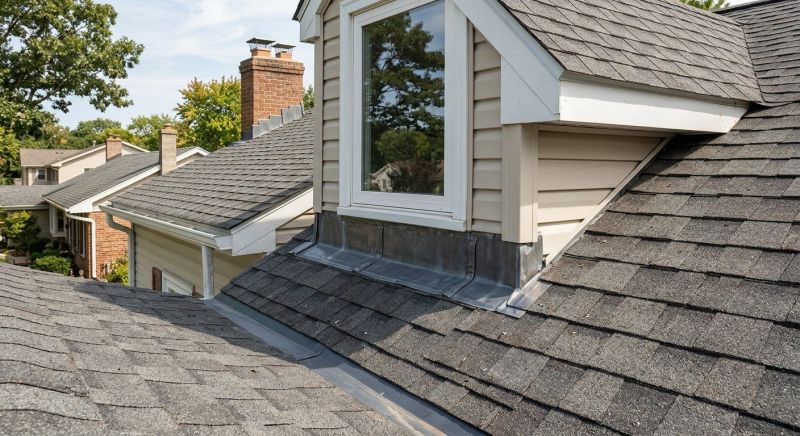
Maintenance And Inspection
Regular inspection of roof flashing can identify potential issues early, reducing the risk of costly water damage repairs.
Roof Flashing Installation in Hunterdon County, NJ

Roof flashing installation is a crucial process that involves placing thin pieces of material, such as metal or other durable substances, around areas on a roof that are vulnerable to water intrusion. This includes joints, valleys, chimneys, vents, skylights, and roof edges. Properly installed flashing helps prevent leaks and water damage by directing water away from seams and openings, ensuring the roof remains watertight and durable over time. Projects typically range from new roof installations to repairs or upgrades of existing flashing where damage or deterioration has occurred.
Homeowners considering roof flashing services often want to understand the materials used, the areas that need flashing, and how the installation process will protect their property. It’s common to request flashing around chimneys, skylights, or roof penetrations, especially when signs of leaks or water stains appear. Before requesting installation, property owners should assess whether existing flashing shows signs of rust, cracks, or movement, and consider the age and condition of their roof to determine if flashing replacement or repair is necessary to maintain the roof’s integrity.
Many property owners in hunterdon county, nj look into roof flashing installation when they want practical improvements, condition-related fixes, or updated features that better suit the property.
Common Roof Flashing Installation Jobs
Roof flashing installation helps prevent water leaks around chimneys, vents, and skylights.
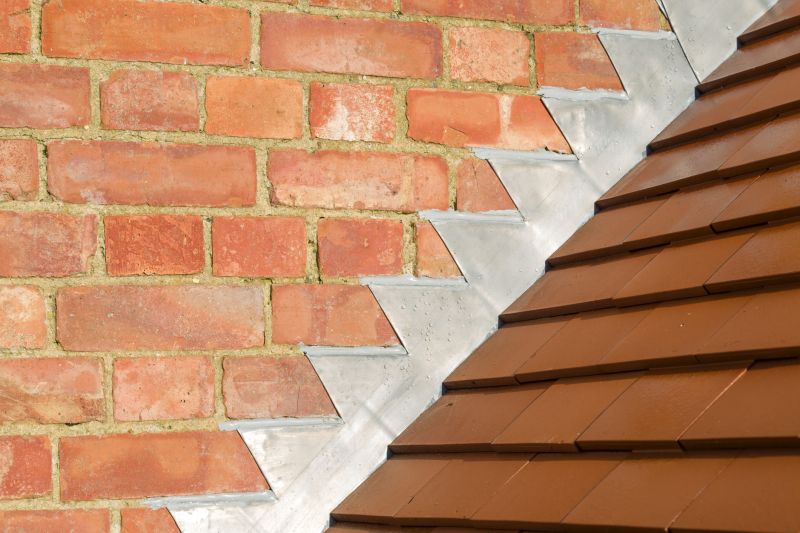
Step flashing is installed along roof edges and intersections to direct water away from vulnerable areas.
Valley flashing ensures proper water runoff in roof valleys to reduce the risk of damage.
Counter flashing covers and seals the base of other flashings for added protection.
Metal flashing is used for durability and long-lasting waterproofing around roof protrusions.
Repair and replacement services address aging or damaged flashing to maintain roof integrity.
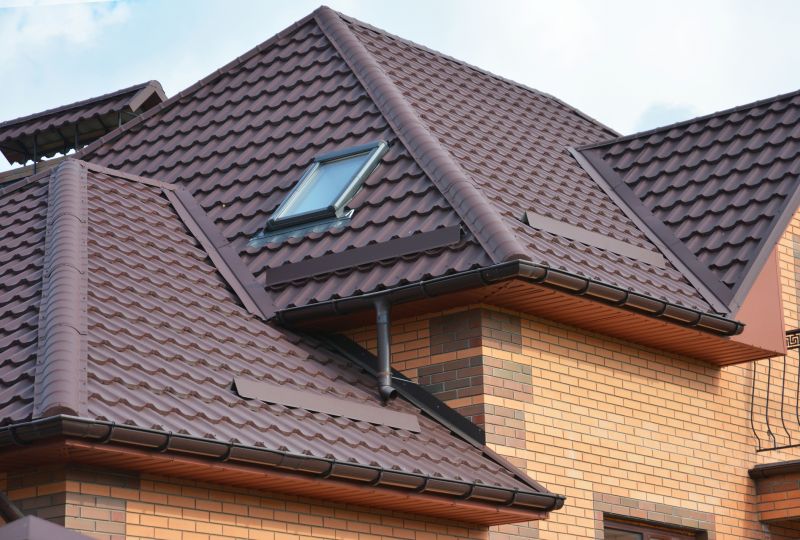
Roof Flashing Installation Questions
What is roof flashing installation? It involves adding metal strips around roof edges, chimneys, and vents to prevent water leaks and protect the roof structure.
Why is proper flashing important? Correct installation helps prevent water intrusion, which can cause damage to the roof and interior of a property.
What types of projects typically require flashing installation? Flashing is commonly installed during new roof construction or when existing flashing shows signs of damage or leaks.
How can I tell if my roof needs new flashing? Signs include water stains on ceilings, rust or corrosion on flashing, or visible gaps around roof penetrations.
Request Roof Flashing Installation in Hunterdon County, NJ
Use the quote form on this page to share the basics of your project and request more information for the type of work you need.